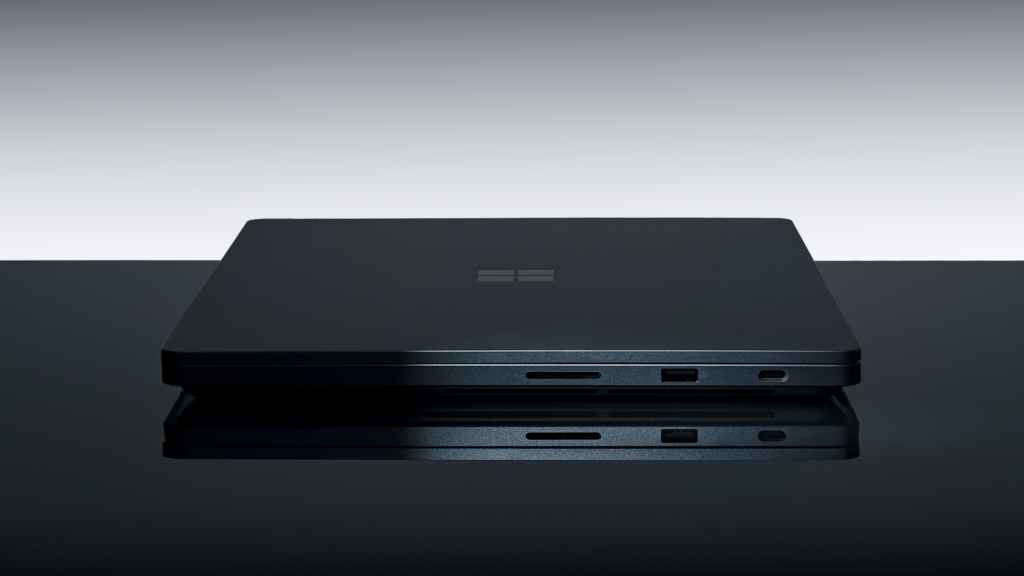
Microsoft announced Surface Laptop Ultra preorders on October 7, pairing NVIDIA's RTX Spark platform with a Grace CPU, Blackwell RTX graphics and configurations offering up to 128GB of unified memory. Its planned availability began October 16. The announcement also describes a 15-inch touchscreen, removable storage and a broad set of connections aimed at creative and development work.
A platform designed around a different workload
These details indicate a particular product brief rather than an ordinary thin laptop with an extra software button. A large memory option matters most when a workload can use it, and the surrounding platform matters when existing applications or tools have specific requirements. The exact configuration is therefore more useful than the largest number in the announcement.
NEXTECH analysis: capacity is not the same as speed
Distinguish the ability to hold a workload from the time required to complete it. A buyer evaluating local AI should identify the intended model, working data and supported software before treating capacity as a purchasing argument. A creator should do the same with an actual project. This is a framework for comparison, not a claim that the announced laptop is faster than another machine in those tasks.
The important measurements remain outstanding
We have not measured fan noise, sustained performance, battery endurance or application compatibility. Microsoft's peak claims cannot answer how the machine behaves through a full working session. Our provisional view is that the design deserves evaluation as a portable specialized workstation, with total setup cost and software fit considered together. It should earn that role through repeatable work, not through an assumption that every AI-labeled laptop serves the same purpose.
Original sources
- Pre-order our most powerful Surface devices ever — Microsoft Devices BlogPublished 2026-10-07
Data checked 2026-11-04. Primary sources support the reported facts. NEXTECH analysis identifies our editorial judgment and unresolved questions; no independent hands-on testing is claimed.